

frosted glass shelves
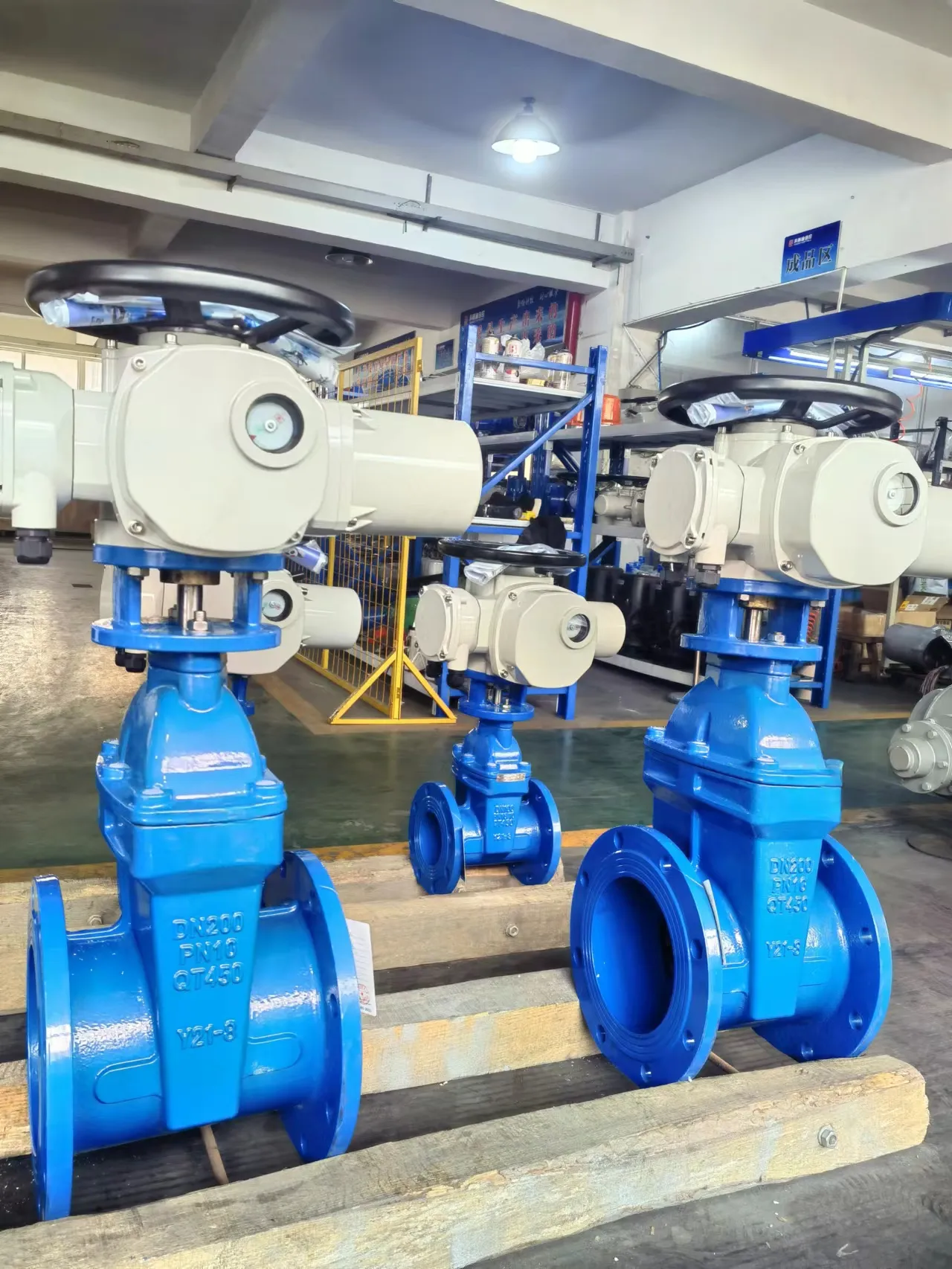
Understanding Gate Valves A Focus on 2-inch Gate Valves Gate valves are essential components widely used in various piping systems, particularly in the oil and gas, water distribution, and chemical industries. They serve a crucial function in regulating the flow of liquids and gases, making them an indispensable part of modern infrastructure. Among the various sizes and types, 2-inch gate valves stand out due to their versatility and efficiency in a range of applications. What is a Gate Valve? A gate valve is a type of valve that opens by lifting a round or rectangular gate out of the path of the fluid. When fully opened, it allows for a straight-through flow with minimal resistance, making it an excellent choice for applications where you want to ensure an unobstructed flow. Gate valves are typically operated manually, although automated versions are also available. Features of 2-inch Gate Valves A 2-inch gate valve is designed to control the flow of fluid through pipes that have a diameter of 2 inches. Here are some of its key features 1. Material Choices 2-inch gate valves are available in various materials, including brass, stainless steel, and ductile iron. The choice of material often depends on the application and the type of fluid—whether corrosive or non-corrosive. 2. Operation These valves can be operated using a handwheel, lever, or actuator. Manual operation is common, and the torque required to open or close the gate valve is manageable, even in larger sizes. 3. Pressure Ratings 2-inch gate valves are designed to withstand different pressure levels. Depending on the manufacturing standard, they can handle pressures ranging from ANSI Class 150 to Class 300 or higher. 4. Leakage Control Gate valves typically provide a tighter seal when fully closed, making them less susceptible to leakage compared to other valve types, such as globe or ball valves. 5. Flow Characteristics When fully open, a gate valve offers a high flow capacity with low flow resistance, making it suitable for applications where a quick and unrestricted flow is required. Applications of 2-inch Gate Valves gate valve 2 1 2 inch Gate valves are predominantly used in various applications, including 1. Water Supply Systems Used to start or stop the flow of water in municipal supply lines. 2. Wastewater Treatment Essential for controlling the flow in treatment plants to ensure efficient operations. 3. Fire Protection Systems Critical in fire hydrant systems, allowing for rapid flow control during emergencies. 4. Oil and Gas Sector Used in pipeline operations to regulate the products transported over vast distances. 5. Chemical Processing Employed in pipelines that transport various chemicals, where a reliable sealing capability is essential to prevent leaks. Advantages and Disadvantages While 2-inch gate valves offer numerous advantages, they also have some limitations Advantages - Minimal flow resistance when fully open - Tight sealing capability that minimizes leakage - Simple design leading to ease of maintenance Disadvantages - Slower opening and closing times compared to other valves - Not suitable for throttling applications (i.e., where precise flow control is necessary) - Can be susceptible to corrosion if not made from the right materials for specific environments Conclusion In conclusion, 2-inch gate valves are vital components in various industrial applications due to their reliability and efficiency in controlling fluid flow. Understanding the characteristics, advantages, and limitations of gate valves can help engineers and operators make informed decisions about the best solutions for their fluid control needs. Whether used in municipal water systems, fire protection, or oil pipelines, the significance of gate valves continues to be relevant in our everyday lives. Therefore, proper selection, installation, and maintenance are crucial to ensuring their optimal performance and longevity.
about
frosted glass shelves
The Valve A Crucial Component in Engineering and Technology In the realm of engineering and technology, valves play an essential role in controlling the flow of fluids, gases, and even solids in various applications. Valves are mechanical devices that can regulate, direct, or control the flow of substances within a system, making them fundamental in numerous industries, including oil and gas, water treatment, pharmaceuticals, and automotive engineering. Understanding Valves At its core, a valve operates by opening, closing, or partially obstructing passageways in fluid systems. The primary purpose of any valve is to manage the flow and pressure of fluids or gases, ensuring that processes run smoothly and safely. Valves can be classified into several types based on their design and function, including gate valves, globe valves, ball valves, butterfly valves, and check valves, among others. 1. Gate Valves These valves are often used for on/off control. They operate by lifting a gate out of the path of the fluid, allowing it to flow freely when opened. However, they are not suitable for throttle control as they do not regulate flow efficiently when partially open. 2. Globe Valves Designed to allow for precise flow control, globe valves have a spherical body and a movable disk that regulates flow through the valve . This design makes them ideal for applications requiring frequent flow adjustments. 3. Ball Valves Ball valves feature a spherical disc with a hole through its center. When the hole is aligned with the flow, the valve is open, and when it is perpendicular, the valve is closed. Their quick operation and tight sealing properties make them popular in many applications. 4. Butterfly Valves These valves use a rotating disc to control flow. They are lightweight, quick to open and close, and are advantageous in applications where space is limited. 5. Check Valves Also known as non-return valves, check valves prevent fluid from flowing backward in a system. They are crucial in maintaining the integrity and safety of systems by ensuring fluid flows in the intended direction only. the valve Applications of Valves Valves are ubiquitous in everyday life, functioning in both commonplace and specialized systems. In residential plumbing, valves control the water flow supplying homes. In industrial settings, they regulate processes in chemical manufacturing, refining, and energy production. For instance, in the oil and gas sector, valves manage the flow of crude oil and natural gas through pipelines, ensuring safe and efficient transportation. In the automotive industry, valves control the flow of fuel and air into combustion engines, playing a critical role in performance and efficiency. Additionally, in healthcare, valves are essential in medical devices such as ventilators and intravenous systems, ensuring the safe delivery of medications and maintaining patient safety. Technological Advancements in Valve Design As technology progresses, valve design and functionality continue to evolve. Automation and smart technologies have revolutionized valve operations, allowing for remote monitoring and control. This innovation reduces human error and enhances operational efficiency. Smart valves equipped with sensors can provide real-time data on flow rates, pressure, and temperature, enabling proactive maintenance and optimization of processes. Moreover, advancements in materials science have led to the development of valves that can withstand harsher conditions, such as extreme temperatures or corrosive substances. This durability extends the lifespan of valves and reduces maintenance costs, ultimately benefiting various industries. Conclusion Valves are indeed a critical component across many sectors and industries, playing an integral role in ensuring the smooth and safe operation of systems. Their diverse types and advanced designs cater to a wide range of applications, solidifying their importance in modern engineering and technology. As we continue to innovate and improve valve technology, their significance in our daily lives will only grow, shaping the future of fluid and gas management.
-

High quality industrial productsagement

High quality industrial products
View Details -

Meet the diverse needs of customers

Meet the diverse needs of customers
View Details -

Strict quality control

Strict quality control
View Details -

Top raw materials

Top raw materials
View Details -

Trusted supplier

Trusted supplier
View Details
Our application


news and information
Veden sulkuventtiilin paikantaminen käytännön vinkkejä ja ohjeet
Veden sulkuventtiilin löytäminen Opas ja vinkit Veden sulkuventtiili on olennainen osa kodin vesijär
which way to turn off water valve
Turning off a water valve might seem like a straightforward task, but understanding the nuances can
Versatile Clamping Solutions for Welding Tables and Projects
The Importance of Welding Table Clamps in Metal Fabrication Welding is an essential process in metal
 English